Rural & Country Energy

Rural property advice

Is Your Rural Property Ready for Winter?

September is the ideal time to prepare your rural home, land and outbuildings for colder weather, heavier rainfall and winter winds.

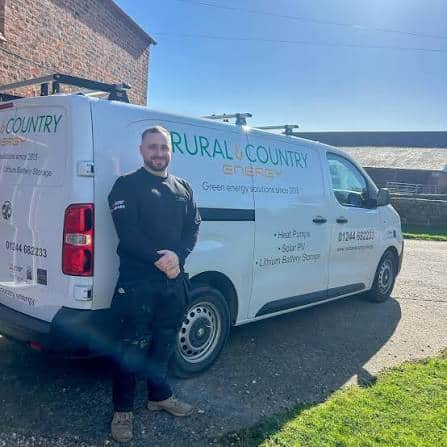
Rural & Country Energy team member beside a company vehicle

Preparing for the colder months

Winter preparation matters even more in the countryside

For countryside homes, getting ready for winter can involve more than simply switching the heating back on. Older buildings, exposed locations, private access roads, outbuildings and off-grid heating systems can all need a little extra attention before temperatures begin to fall.

A farmhouse, stone cottage, converted barn or country home may have very different heating and maintenance requirements from a modern property on a mains gas network.

September is a useful time to check the essentials, identify small problems and consider whether your current heating and energy system is still suitable for the way you use your property.

1

Check your heating before you need it

One of the simplest things you can do is turn your heating on before the weather becomes properly cold. This gives you time to check that radiators, controls, thermostats and hot water systems are all working as expected.

If your property relies on oil or LPG, September can also be a useful time to consider whether your current heating system is still the right option for your home.

Many rural properties are located away from the mains gas network. Depending on the building, its insulation, heat loss and existing heating system, renewable options such as air source or ground source heat pumps may be worth exploring.

Any replacement system should be designed around the individual property rather than selected as a one-size-fits-all solution.

2

Clear gutters and check drainage

Autumn brings falling leaves and heavier rainfall, so gutters and drainage should be high on the winter preparation list.

Clear gutters and downpipes of leaves, moss and debris, then check that rainwater is draining away from the property correctly. Blocked or overflowing gutters can quickly lead to damp, staining and damage to external walls.

It is also worth looking at roofs, drainage channels, gullies and external walls for any obvious problems before wetter weather arrives. For exposed rural properties, dealing with a small issue now can help prevent it becoming a much larger repair during the winter.

3

Look for draughts and heat loss

Older rural homes often have plenty of character, but they can sometimes be more difficult to heat efficiently.

Traditional walls, older windows, high ceilings, exposed floors and previous extensions can all affect how well a property retains heat. Small improvements, such as repairing damaged seals or improving loft insulation, may help make the home more comfortable during colder weather.

If you are considering a new heating system, it is important to look at the property as a whole. A renewable heating system should be designed around the individual building, its heat loss and the way the rooms are used.

4

Prepare outdoor areas and access

Rural properties often come with more outdoor space and more to maintain. Private driveways, tracks and access roads should be checked before wetter and windier weather arrives.

Look for potholes, poor drainage, loose surfaces and overhanging branches. These can become more difficult to deal with once the ground is wet or frozen.

Outdoor lighting is also worth checking, particularly around entrances, gates, parking areas and paths. A few simple improvements can make arriving home on dark winter evenings safer and easier.

Finally, inspect outdoor taps and exposed pipework around garages, barns and other outbuildings before freezing temperatures become a risk.

5

Think about your wider energy use

Preparing for winter can also be a useful opportunity to look at the wider energy efficiency of your property.

Alongside heating, technologies such as solar PV and battery storage may help rural homeowners generate and use more of their own electricity. Solar panels can produce electricity during daylight hours, while battery storage can allow more of that energy to be used later.

For rural and off-grid properties, combining renewable technologies may help reduce reliance on traditional fuel sources and create a more flexible energy system.

The most suitable approach will depend on the property, its location, energy use and available space. A proper assessment is important before making any decision.

Could renewable heating work for your rural home?

Heat pumps are often associated with modern homes, but older rural properties can also be suitable when the system is correctly designed.

Farmhouses, period homes, cottages and barn conversions can all have very different heating requirements. The age, construction, insulation, layout and existing heating system will all influence the most suitable approach.

You may not need to replace every radiator or install underfloor heating either. The right solution will depend on the property and the results of a proper assessment.

This is why it is important to choose an installer who assesses the property properly and designs the system around the building, rather than recommending the same solution for every home.

Do not wait for a winter breakdown

Planning ahead can give you more options

Heating systems have a habit of becoming urgent at exactly the wrong time. If your oil or LPG boiler is ageing or becoming unreliable, starting the conversation in September gives you more time to arrange a survey, understand your options and decide what is right for your property.

It can also give you time to consider whether a wider renewable energy system, such as a heat pump combined with solar PV or battery storage, could work for your home.

Explore renewable energy options

Get your rural property ready for winter

A little preparation now can make a big difference once colder weather arrives.

For some homeowners, that might simply mean clearing gutters, checking pipework and testing the heating. For others, it could be the right time to start looking at a more efficient way to heat and power their property.

Your winter preparation checklist

  • Test the heating and hot water system
  • Check oil or LPG levels
  • Clear gutters and drainage channels
  • Look for draughts and heat loss
  • Inspect driveways and access routes
  • Protect outdoor taps and exposed pipework

Thinking beyond this winter?

  • Review your current heating costs
  • Consider the age of your boiler or heating system
  • Ask whether your property could suit a heat pump
  • Explore solar PV and battery storage
  • Arrange a proper property assessment
  • Compare options before a breakdown becomes urgent

Explore renewable energy for your rural property

Rural & Country Energy can help homeowners, farms and businesses explore renewable heating and energy options suited to their individual property.

Visit Rural & Country Energy
Rural & Country Energy renewable energy installation team

This article includes a referral link. Rural Property Network may receive a commission if you go on to make an enquiry or purchase through the link. This does not affect the information provided in the article.

Follow Us

Keep in Touch

Get The Latest Updates

Subscribe
To Our Newsletter

No spam, notifications only about new properties and lifestyle articles.

Latest Blogs...

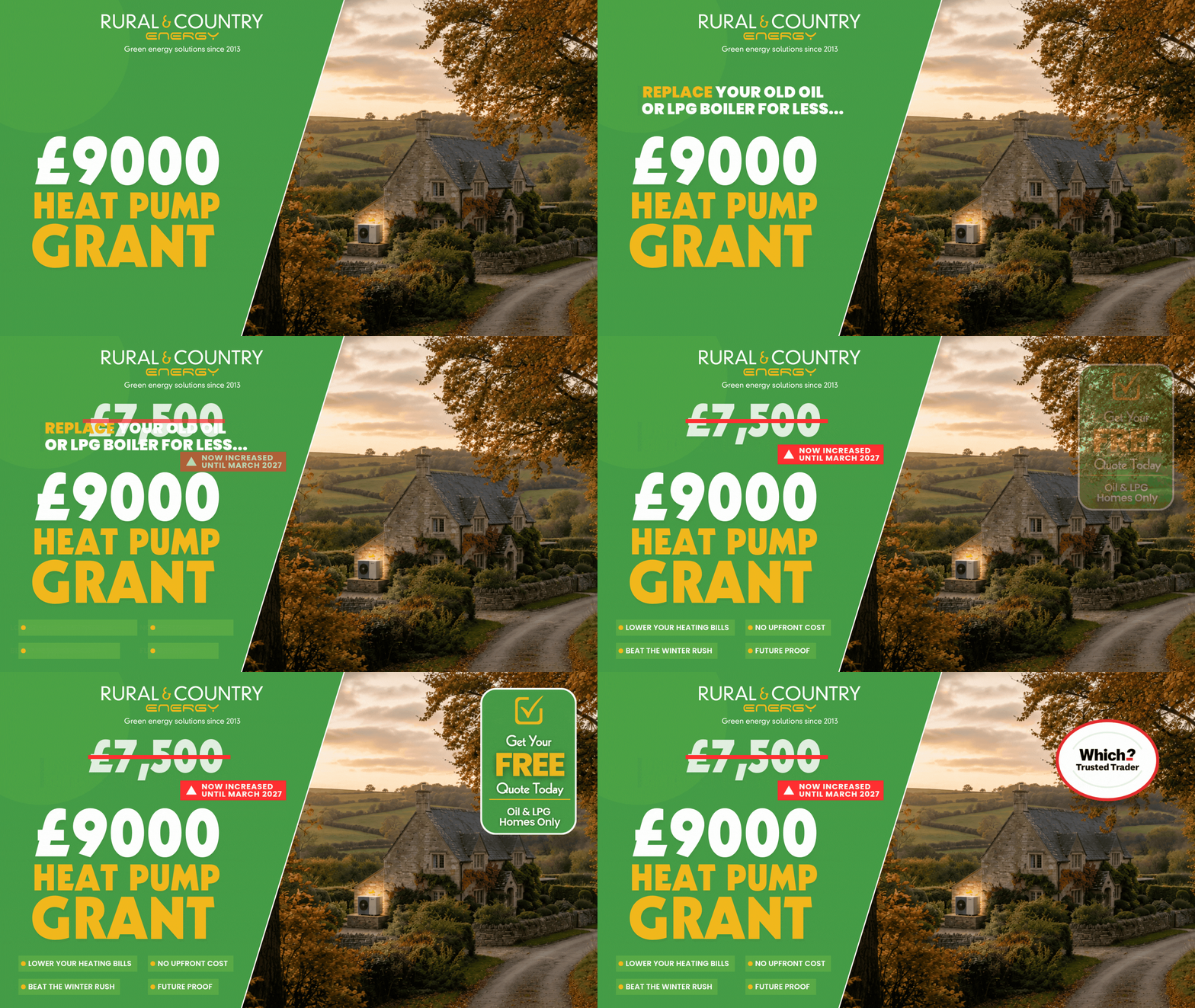
Rural & Country Energy Grant
  • currencies direct

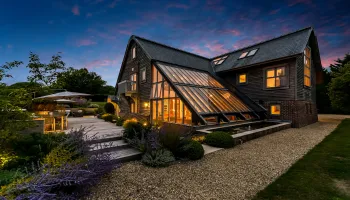
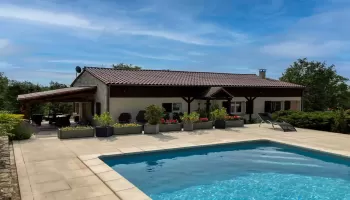
Featured Properties

From charming cottages to grand country homes, find your perfect rural retreat.  Explore hand-picked properties surrounded by nature, offering peace, space, and a slower pace of life.

Popular Portal Searches

Countryside and Rural Homes

Character homes, cottages and countryside retreats in peaceful rural settings, perfect for buyers who want charm and rural living without the responsibility of managing extensive land.

Equestrian Properties

Rural homes that include equestrian facilities such as stables, arenas, grazing land or outbuildings, perfect for horse owners and those wanting a dedicated equestrian lifestyle.

Rural Properties with Land

Homes with generous acreage suitable for smallholding use, grazing, hobby farming or a more self-sufficient rural lifestyle, offering flexibility and outdoor freedom.

Multi-Generational Homes

Properties with separate accommodation or adaptable layouts designed to support extended family living, offering privacy, independence and shared rural space.

Homes with Holiday Lets

Rural homes that include gîtes, cottages or independent units, ideal for generating holiday rental income or running a small tourism-based enterprise in scenic countryside areas.

Prestige Rural Estates

High-value countryside estates, period homes and distinctive rural properties with land, combining heritage, space and lifestyle appeal in desirable countryside settings.

Property
Consent Preferences