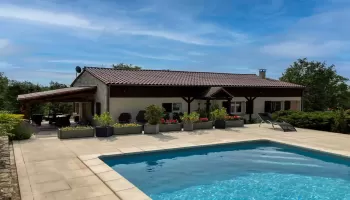
Dreaming of relocating to France with your equine companions? France offers a variety of landscapes, from rolling countryside to coastal havens, making it an attractive destination for horse lovers. However, moving with horses comes with unique challenges and considerations. This guide will help you navigate the process, from choosing the perfect location to understanding horse registration and adapting to a new climate.
Choosing the Right Region
France is a country of diverse climates and terrains, which can significantly affect horse care and management. Here is an overview of just some of the key regions and departments:
-
- Normandy: Famous for its equestrian culture, Normandy boasts lush pastures and a temperate climate, ideal for grazing. Rainfall is high, averaging 850-1,200mm annually, and temperatures range from 5°C in winter to 20°C in summer. Normandy is perfect for those looking to immerse themselves in the heart of France’s horse industry.
-
- Brittany: Offering a coastal climate, Brittany is great for those seeking cooler summers (average 20°C) and moderate winters (around 5°C). Rainfall is high, averaging 1,000-1,200mm annually, and coastal regions can be prone to strong winds, so shelter is vital.
-
- The Loire Valley: With its mild climate and picturesque countryside, this area is a popular choice. The region experiences average summer temperatures of 25°C and winter temperatures around 5°C, with annual rainfall of 700-900mm. The balance of seasons here suits many horse breeds, and the region provides a mix of rural tranquility and proximity to amenities.
-
- Nouvelle-Aquitaine (including Dordogne, Lot, Gironde, and more): This vast region offers diverse landscapes and climates, making it a popular choice for people with horses.
-
- Dordogne: Known for its picturesque countryside and expat-friendly community, the Dordogne has a milder and wetter northern area with annual rainfall of 900-1,100mm and average temperatures of 4°C in winter and high 20’s°C in summer. The southern Dordogne is warmer and drier, with rainfall around 600-800mm and summer temperatures reaching mid to high 30’s°C.
-
- Lot: As you move further south, the Lot becomes increasingly warmer. Summers can be hot, with average temperatures of 28-34°C, while winters are mild at around 5°C. Rainfall is lower than in the Dordogne, averaging 600-700mm annually. Grazing can suffer in the hot summer months, with pastures often becoming burnt off. Ensure access to reliable water sources such as rivers or streams for your horses.
-
- Gironde: This area combines Atlantic coastal climates with inland warmth. Coastal areas are cooler in summer (around 24°C) but wetter, with annual rainfall reaching 1,000mm. Inland Gironde has warmer summers averaging 30°C.
-
- Nouvelle-Aquitaine (including Dordogne, Lot, Gironde, and more): This vast region offers diverse landscapes and climates, making it a popular choice for people with horses.
-
- Limousin (Creuse, Corrèze, Haute-Vienne): This region is known for its lush, rolling countryside and is often referred to as the “Green Heart of France.”
-
- Creuse: Cooler and wetter, with summer temperatures averaging 24°C and winter temperatures around 2°C. Rainfall is high, averaging 1,200mm annually.
-
- Corrèze: Slightly milder than Creuse, with summer temperatures around 26°C and winter temperatures averaging 3°C. Rainfall averages 1,100mm annually.
-
- Haute-Vienne: Offers a balanced climate, with summers averaging 25°C and winters around 3°C. Annual rainfall is approximately 1,000-1,100mm.
-
- Limousin (Creuse, Corrèze, Haute-Vienne): This region is known for its lush, rolling countryside and is often referred to as the “Green Heart of France.”
-
- The South of France (Provence & Occitanie): Known for its Mediterranean climate, this area offers hot summers with average temperatures of 30°C and mild winters around 10°C. Rainfall is much lower, averaging 600-800mm annually. Horses may need shade, access to water at all times, and fly protection during the summer months. The dry conditions can be a relief for some horses prone to mud-related issues but may require extra care for hooves.
-
- The Alps: If you prefer a mountainous setting, this region provides stunning off-road riding opportunities. However, horses need to be hardy and well-adapted to colder conditions, as winter temperatures can drop to -5°C, with snow common in higher altitudes. Summers are milder, averaging 20°C, with annual rainfall of 1,000-1,500mm.
Grazing conditions can vary widely. In the northern parts, pastures tend to stay greener for longer, whereas in the southern and inland areas, the intense summer heat can dry out grazing. It is essential to consider water access for horses, as well as providing shade and supplemental feeding during drier months.
When deciding on a region, think about your personal needs too. Do you prefer a rural lifestyle or access to social activities? Would you like to live near an English-speaking community? Are you looking for good off-road riding or proximity to competition yards?
Adapting Horses to a New Climate
Horses, like humans, need time to adapt to new climates. Depending on their breed and background, some may transition easily, while others require more support. For instance:
-
- Warmbloods and Thoroughbreds may need extra care in colder climates, such as blanketing and stabling.
-
- Native breeds like Connemaras or Welsh ponies often thrive in cooler, wetter regions but may need additional fly protection in warmer areas.
-
- Southern European breeds like Andalusians are naturally suited to hot climates but may need extra rugging in regions with harsher winters.
Managing flies is a significant consideration in many areas of France. Invest in quality fly rugs, masks, and natural fly repellents. Creating shaded areas and ensuring good airflow in stables can help keep horses comfortable during the summer months.
Understanding Horse Registration in France
Once in France, registering your horse with the French National Stud (IFCE) is mandatory. Here are the key steps:
-
- Microchipping and Passport: Ensure your horse’s passport is up to date. Horses must have a microchip and a passport that complies with European regulations.
-
- SIRE Registration: Register your horse with the IFCE’s SIRE system, which involves providing details about the horse’s identification and ownership.
-
- Rider Registration: If you plan to compete, you will need to register with the French Equestrian Federation (FFE). This provides access to competitions and official training events.
It is also wise to locate a reliable equine vet in your area. Building a relationship with a vet early on can be invaluable, especially during emergencies or for routine vaccinations.
Practicalities of the Move
Choosing a Good Transporter
A professional horse transporter is key to a smooth move. Look for transporters experienced with international travel who can handle paperwork, health certificates, and customs requirements. Horses traveling to France will need a veterinary inspection and health documentation before departure.
Read our Blog on moving horses between the UK and France
Finding Your Perfect Lifestyle
Beyond your horses, consider what you need to thrive in your new environment. If you work, think about access to job opportunities. For leisure, decide whether you want proximity to communities, cultural activities, or a more rural escape.
If you compete, being near established competition centres may be a priority. Alternatively, if you enjoy hacking, research areas with safe off-road riding paths. France has an extensive network of bridleways (chemins équestres) perfect for exploring the countryside.
Visas and Residency
As a horse owner, you may need assistance with your own visa requirements. Many services offer hand-holding support for expats, guiding you through the paperwork and ensuring you meet all necessary deadlines.
Final Thoughts
Moving to France with horses is a rewarding adventure, but preparation is vital. From choosing the perfect region to managing the logistics of transport and registration, there is much to consider. By planning carefully and seeking expert help where needed, you and your horses can settle into a fulfilling new life in one of Europe’s most horse-friendly countries.
Whether you dream of galloping along sandy beaches, training in world-class facilities, or simply enjoying the French countryside, the perfect home for you and your horses is waiting to be discovered.